
Skin concerns · Oiliness and dehydration
Can Oily Skin Be Dehydrated? Building a Balanced Routine
A practical guide to caring for skin that feels greasy, tight, or flaky, without turning every step into an oil-control treatment.

TL;DR
- Oily skin can have reduced moisture in its outer layer. Surface shine does not tell you how well your skin holds water, and oiliness can coexist with dryness or irritation.
- Tightness after washing, rough patches, and stinging are reasons to review your routine. They do not, by themselves, confirm dehydration or a damaged skin barrier.
- Start with a gentle cleanser, a comfortable moisturizer, and daytime sun protection. Extra serums and exfoliation are optional; persistent soreness, a rash, or worsening symptoms need professional advice.
Your forehead needs blotting by lunchtime, but your cheeks feel tight when you smile. A rich cream feels heavy, a light gel seems to do too little, and another oil-control cleanser leaves you less comfortable than before.
Oily dehydrated skin is a useful way to describe that combination of concerns. The next step is to work out which parts of your routine help your skin feel comfortable, rather than trying to remove every trace of shine.
Can oily skin really be dehydrated?
Yes. Oiliness describes sebum, the oil made by your sebaceous glands. Skin hydration describes water content, including moisture in the outermost layer. Having plenty of surface oil does not guarantee that this layer is holding moisture well.
Genes and hormones influence how oily your skin is. At the same time, cleansing habits, weather, products, and skin conditions can affect dryness and comfort. You may have an oily T-zone, dry cheeks, or skin that feels both shiny and tight in the same area.
The language can get confusing because dry skin also involves moisture loss. Our guide to dry vs. dehydrated skin explains where those descriptions overlap; you do not need to choose one perfect label before adjusting an uncomfortable routine.
Signs to notice when oily skin feels dehydrated
The most useful observation is a change from your usual skin. Notice how it feels after washing and later in the day, as well as how it looks.
- Tightness after cleansing, even when your forehead or nose becomes shiny again.
- Roughness or small flaky areas alongside surface oil.
- Itching, burning, or stinging when applying products.
- Makeup catching on rough patches while other areas look greasy.
These observations can help you review your routine, but they are not a diagnostic checklist. Flaking and stinging can also occur with irritation, contact dermatitis, or other conditions. Makeup behavior alone cannot tell you whether your skin lacks water.
Combination skin means that some areas are oilier and others are drier. Dehydration describes moisture levels, so the two ideas can overlap. Treating your whole face with the strongest oil-control product may miss what the drier areas need.
Blotting paper can show surface oil, but it cannot measure hydration. A selfie or a cheek-pinch test cannot reliably settle the question either. If you are unsure, bring a description of the symptoms and your products to a dermatologist.

Why can skin feel oily and tight at the same time?
Cleansing and exfoliation may be too much
Repeated washing, strong cleansers, scrubs, and frequent acids can irritate the skin. A routine can remove oil effectively and still leave your skin uncomfortable. More cleansing is not automatically the answer when the shine returns.
If tightness or flaking started after increasing exfoliation, check the signs of over-exfoliated skin before adding another scrub or peel.
Acne treatments can cause dryness
Benzoyl peroxide, salicylic acid, topical retinoids, and isotretinoin can dry or irritate the skin. A suitable moisturizer may help you tolerate treatment. Persistent irritation is a reason to ask your prescriber about application, frequency, and the rest of your routine.
Weather and irritation can contribute
Low humidity, indoor heating, and long hot showers can make dryness worse. Your skin may also react to a newly introduced cosmetic. The concentration, combination, and frequency of products matter as much as the individual ingredients.
Do not assume that every oily day means your skin is producing extra oil to compensate for dehydration. Shine has several possible influences, including your natural oil production and the finish of your skincare. Improving comfort does not require your face to become completely matte.
Choose a cleanser that leaves your skin comfortable
Look for a gentle, non-abrasive cleanser. A mild gel or foaming formula can suit oily skin, but the amount of foam is not a reliable test of how gentle a product will be. Judge how your skin feels after rinsing.
Use lukewarm water and your fingertips, then pat gently with a soft towel. Avoid cleansing brushes or scrubbing at flaky areas. Repeated washing throughout the day can add irritation; the usual guidance is to wash morning and evening and after heavy sweating.
If you are washing more often because your skin looks oily, try blotting excess shine gently instead. Press the paper onto the area without rubbing. This helps manage surface oil without adding another full wash.
Do you need to double cleanse?
Not every routine needs two cleansers. What matters is removing the sunscreen and makeup you wear without leaving your skin sore or tight. Follow the cleansing product’s directions, and avoid adding a second wash just because your skin is oily.
If morning cleansing repeatedly leaves sensitive areas uncomfortable, a water rinse may be an option while you review the routine. Keep an effective, gentle evening cleanse. If discomfort persists even with a mild product, get advice rather than continuing to switch cleansers.

What moisturizer suits oily dehydrated skin?
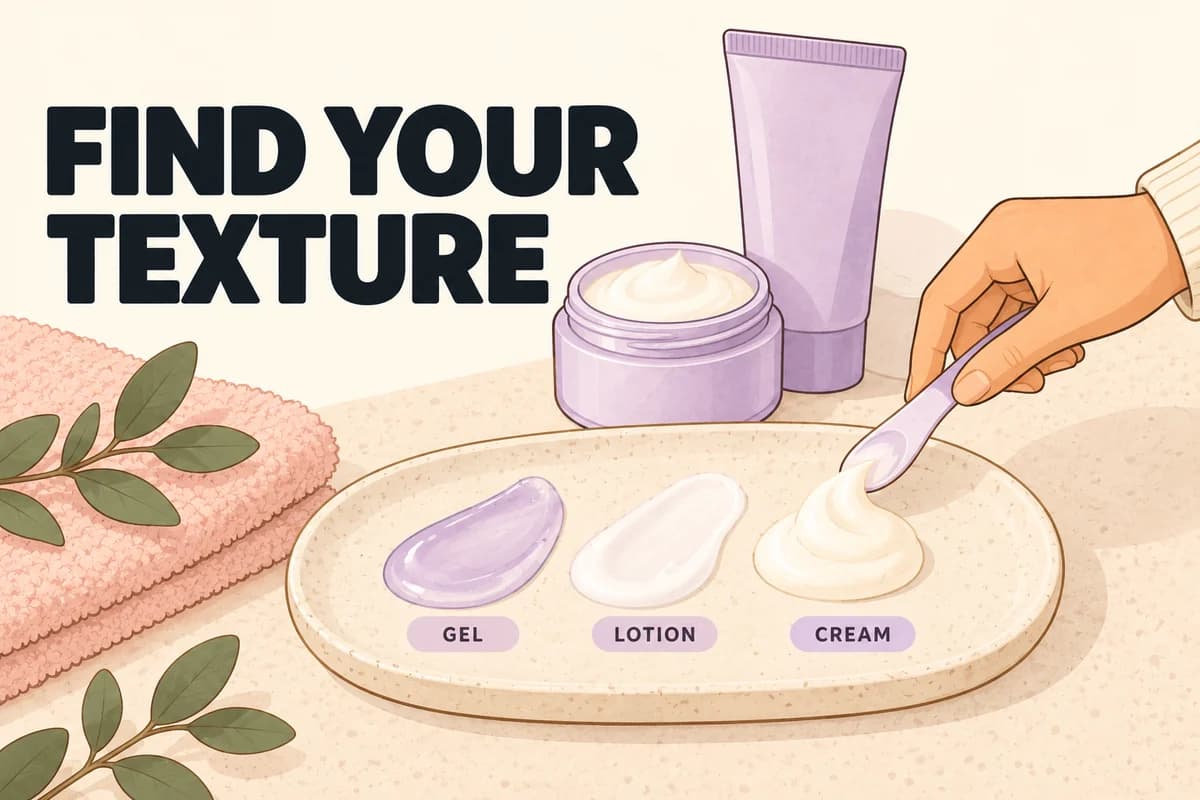
A lightweight moisturizer is a reasonable starting point when your skin feels tight but heavy creams feel greasy. Look for a gel, gel-cream, or lotion, and consider labels such as noncomedogenic or oil-free if you are prone to breakouts.
A moisturizer can do several jobs in one formula. You do not need to buy a separate product for every ingredient category.
- Humectants, such as glycerin and hyaluronic acid, help attract and retain water in the outer skin layer.
- Emollients help soften and smooth rough areas.
- Occlusive ingredients, such as dimethicone, help reduce water loss. Their presence does not mean a formula must feel thick or greasy.
Choose by area and comfort
A light lotion may be enough for your forehead, while a cream feels better on dry cheeks. You can use different amounts or textures in those areas. If a gel leaves you tight again soon afterward, a light cream may suit you better than several additional watery layers.
Ceramides are another ingredient to look for in a moisturizer that supports the skin barrier. Start with a fragrance-free formula if your skin reacts easily. Product labels help narrow the options, but they cannot guarantee that every formula will suit you.
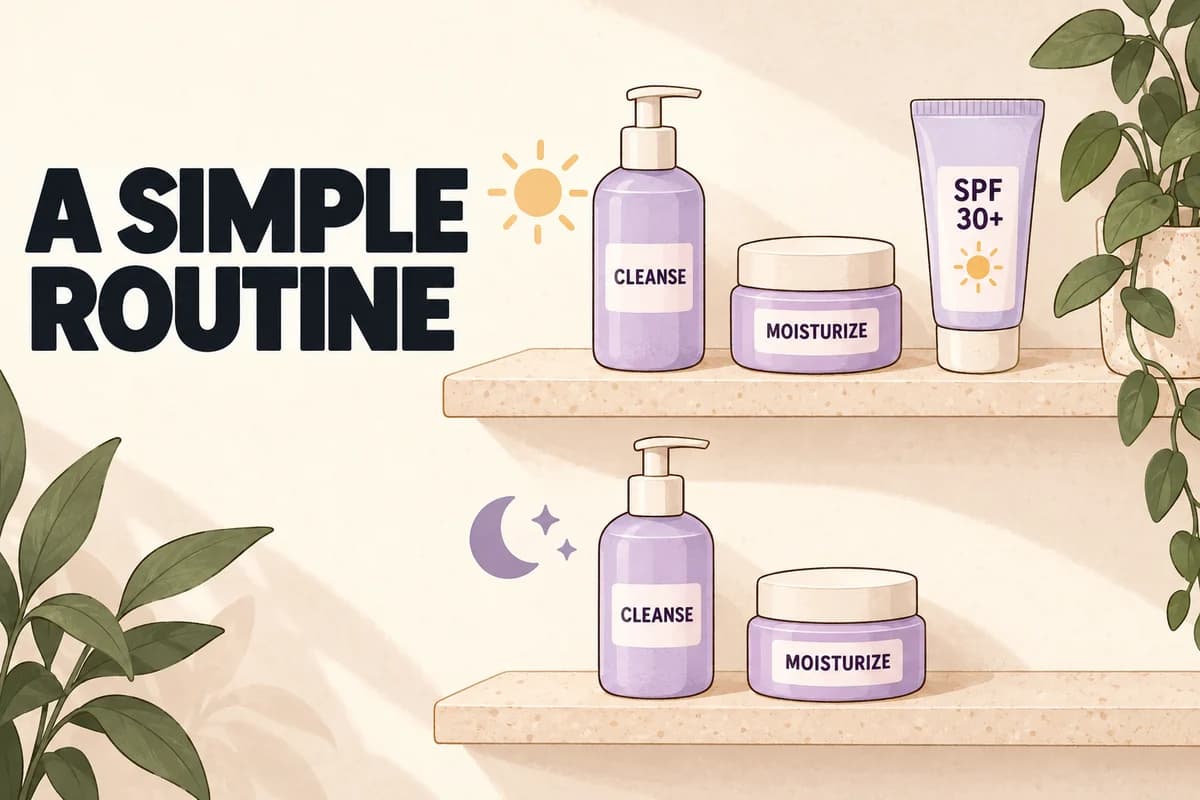
A simple routine for oily, dehydrated skin
Morning: cleanse, moisturize, protect
Cleanse gently, then apply moisturizer while the skin is still slightly damp, unless your treatment instructions require a different approach. Aim for comfort rather than a squeaky-clean or completely matte finish.
Finish with broad-spectrum, water-resistant sunscreen with SPF 30 or higher on exposed skin. Choose a texture you can apply generously. Use shade and protective clothing too, and reapply sunscreen outdoors every two hours and after swimming or sweating, following its label.
Our morning skincare routine explains the daytime product order and how to adjust the layers under makeup.
Evening: remove the day and moisturize
Gently remove sunscreen, makeup, and excess oil, then moisturize. If a few areas still feel dry, adjust the moisturizer there rather than making every step stronger or heavier.
Use prescribed acne treatments according to your plan. Ask the prescriber about ongoing soreness, peeling, or stinging. A separate night cream, toner, and mask are optional additions, not requirements for a complete evening routine.
| Step | Morning | Evening |
|---|---|---|
| Cleanse | Use a gentle cleanser with lukewarm water. Adjust if washing repeatedly leaves skin uncomfortable. | Gently remove the day’s sunscreen, makeup, and excess oil. Avoid unnecessary extra cleansing. |
| Moisturize | Apply a light lotion or gel-cream; give dry areas a richer texture if needed. | Use a moisturizer that keeps your skin comfortable. A separate night cream is optional. |
| Protect or treat | Finish with broad-spectrum, water-resistant SPF 30 or higher and use shade and protective clothing. | Use any prescribed treatment as directed. Ask your prescriber about ongoing dryness or irritation. |
| Optional extras | A hydrating serum may fit if it adds comfort without unnecessary layers. | Exfoliation, masks, and facial oils are not essential steps for restoring comfort. |
Do you need hyaluronic acid, niacinamide, or exfoliation?
Hyaluronic acid is optional
A hydrating serum may be useful if you enjoy it and it improves comfort. However, your moisturizer may already contain humectants such as hyaluronic acid or glycerin. Try a comfortable basic routine before deciding that another bottle is missing.
Niacinamide may suit persistent oiliness
Small clinical trials of a moisturizer containing 2% niacinamide found improvements in some measures of facial oiliness, with results differing between the study groups. That does not establish one ideal concentration or guarantee that a higher-strength serum will work better.
Niacinamide is an optional ingredient rather than a required repair step. If it is already in a moisturizer you tolerate, you may not need an additional serum. Stop a new cosmetic that causes an ongoing reaction.
Exfoliation is not a treatment for tightness
Salicylic acid can be useful for oily or acne-prone skin, but acids can also irritate it. If your skin is currently sore, stinging, or flaky, adding more exfoliation may make the problem worse. There is no universal weekly schedule that suits every product and every person.
What if moisturizer feels greasy or causes breakouts?
First, separate the product’s finish from how your skin feels. A moisturizer can leave a sheen without causing irritation. Equally, a matte finish does not prove that your skin is comfortably hydrated.
If several leave-on layers feel heavy, simplify the optional steps and try one moisturizer that suits your skin. Follow its directions and adjust the amount to the area. Keep applying enough sunscreen for protection; if the finish is unsuitable, look for a different sunscreen formula.
If you repeatedly develop new bumps after introducing a product, stop that new cosmetic and review the timing. A noncomedogenic label lowers the likelihood of clogged pores but does not guarantee that a product cannot cause a problem for you. Persistent acne deserves its own treatment plan.
Introduce one new product at a time. The American Academy of Dermatology recommends testing a new skincare product on a small area twice daily for seven to ten days before wider use, using it as directed. A clear small-area test cannot guarantee that you will never react or develop facial breakouts.
If your skin stings or reacts easily, the product-selection approach in our simple skincare routine for sensitive skin can help you keep changes manageable.
How to track whether your routine is helping
Look for less tightness after washing, fewer rough patches, or less irritation. Those changes are more useful than demanding a shine-free face. You may still have oily skin even when your routine is working well.
Skinreo keeps your skincare routine and skin photo journal together, so you can look back at the products you used alongside changes in your skin’s appearance. Add a short note about tightness, flaking, or how your skin feels later in the day to give each check-in context.
Use similar lighting and timing for photos, and record when you start a product or change its frequency. A photo cannot measure hydration or diagnose a skin condition, so include how your skin feels as well as how it looks.
There is no fixed recovery time for oily dehydrated skin. Ordinary dryness that responds to self-care often starts improving within about two weeks, but that is not a deadline for every condition or for acne treatment. Reassess if the routine is not helping, and seek advice sooner if symptoms worsen.

When to see a dermatologist
Get advice if tightness, itching, flaking, or a rash persists despite gentle care, or if even a simple moisturizer keeps stinging. A clinician can assess whether dryness, irritation, contact dermatitis, acne, or another condition is involved.
Painful cracks, bleeding, swelling, crusting, or drainage should be checked promptly. Bring your full product list, treatment instructions, and a short timeline of the changes. You do not need to diagnose your skin before asking for help.
Frequently asked questions
Why is my skin dehydrated but oily?
Surface oil and skin moisture are different things. Genes and hormones influence oiliness, while products, cleansing habits, and environmental conditions can affect dryness and comfort. Tightness with shine can also reflect irritation, so the combination does not establish one diagnosis.
How do you fix dehydrated oily skin?
Begin with gentle cleansing, a moisturizer that feels comfortable, and daytime sun protection. Review extra washes, scrubs, acids, and new products that preceded the discomfort. Seek advice for persistent or worsening symptoms, and ask your prescriber about irritation from acne treatment.
What is the best product for oily dehydrated skin?
There is no single best product for everyone. A fragrance-free, lightweight moisturizer is a practical starting point when your skin feels tight. Noncomedogenic or oil-free options may suit acne-prone skin. Judge the complete formula and how your skin tolerates it.
How do you know if your skin is oily or dehydrated?
They can coexist. Surface shine can indicate oil, while tightness, roughness, and flaking are reasons to review moisture and irritation. Blotting paper, a selfie, or a cheek-pinch test cannot reliably measure skin hydration or identify the cause of discomfort.
Should oily dehydrated skin use moisturizer?
Yes, moisturizer can help when oily skin feels dry or tight, including during acne treatment. Start with a lighter texture if rich creams feel heavy, and use a richer product on dry areas if needed. A separate hydrating serum is optional.
Is salicylic acid good for oily dehydrated skin?
It can help with oiliness or acne, but it can also cause dryness and irritation. It is not a treatment for tightness itself. Avoid adding more exfoliation when skin is sore or stinging, and get advice about problems with a prescribed routine.
Does drinking more water stop oily dehydrated skin?
Adequate fluid intake supports health, but extra water is not a proven way to stop facial oiliness or replace moisturizer. Research suggests additional water may modestly improve skin hydration in some people who previously drank less, but the evidence is limited.
How long does oily dehydrated skin take to improve?
There is no universal timeline. Everyday dryness may begin improving within about two weeks of suitable care, but irritation and skin conditions vary. Monitor comfort and texture rather than shine alone, and get help sooner for painful, worsening, or persistent symptoms.
Build a routine you can repeat comfortably. Gentle cleansing, a suitable moisturizer, and sun protection give you a useful starting point, while your skin’s response helps guide any further changes.
References
Sources accessed October 25, 2026.
- MedlinePlus: Oily skin
- American Academy of Dermatology: How to control oily skin
- American Academy of Dermatology: Moisturizer and acne
- American Academy of Dermatology: Face washing 101
- American Academy of Dermatology: How to pick the right moisturizer
- American Academy of Dermatology: Skin care habits that can worsen acne
- American Academy of Dermatology: Skin care on a budget
- American Academy of Dermatology: How to apply sunscreen
- American Academy of Dermatology: How to test skin care products
- American Academy of Dermatology: Dry skin overview
- DermNet: Emollients and moisturisers
- DermNet: Irritant contact dermatitis
- DermNet: Dry skin
- Mayo Clinic: Dry skin diagnosis and treatment
- Draelos et al.: The effect of 2% niacinamide on facial sebum production
- Akdeniz et al.: Does dietary fluid intake affect skin hydration in healthy humans? A systematic literature review
Illustrations: Skinreo. Image usage and permissions.